The answer to ‘what is the state of media training in Nigeria’ is one word: misunderstood. There needs to be an alternative term for media training because if you ask the layman on the street about media training in Nigeria, they will tell you that media organisations do not invest enough in training journalists. Google searches for this question will reveal articles such as ‘Why NIJ Remains Top Choice for Media Training’, but the term ‘media training’ does not refer to the training of journalists.
So, What is Media Training
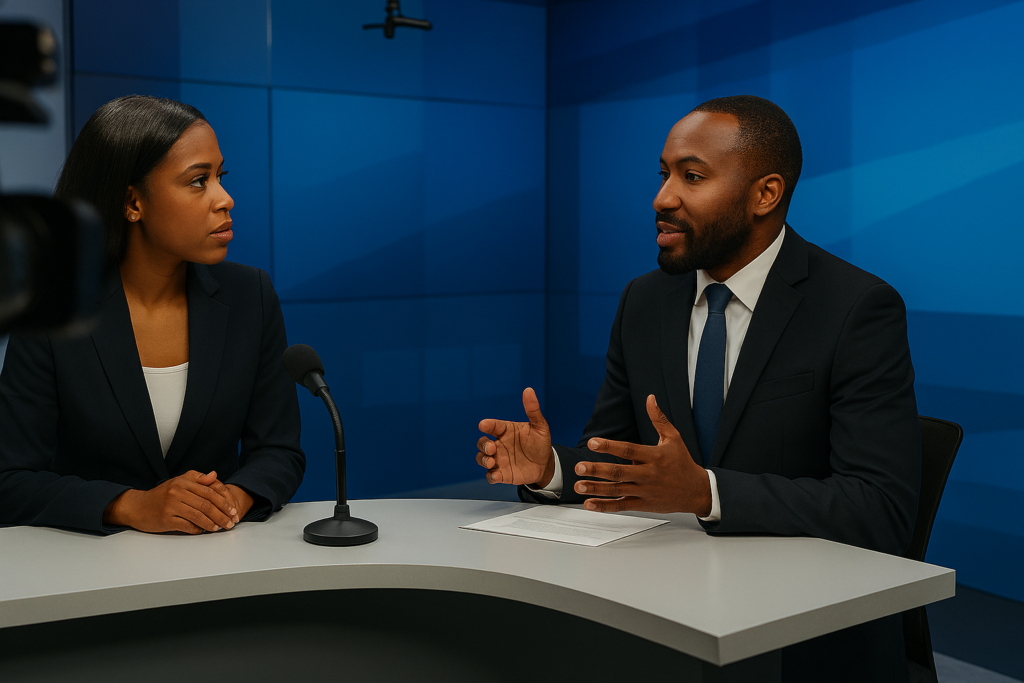
Media training is a structured session that equips organisational spokespeople with public speaking skills, specifically tailored to answering media interviews during challenging situations. Through theoretical sessions and interview simulations, organisational leaders learn to comport themselves and speak confidently in front of a camera to preserve organisational reputation.
Nigeria experienced several reputational flare‑ups in 2025 — from corporate leaders mishandling public backlash, to government officials struggling with crisis messaging, to celebrities facing viral controversies — and each incident has highlighted how unprepared many public figures are when placed under real media scrutiny, underscoring the need for this misunderstood yet extremely necessary service.
What Does Media Training Cover?
Media training typically covers four core areas that prepare organisational leaders to face the press with confidence and clarity:
Message Development
Developing core messages and concise talking points, learning how to stay ‘on message’ even under pressure and aligning personal delivery with organisational values is the first aspect of media training.
Interview Techniques
Spokespeople will learn:
- How to answer tough or unexpected questions
- How to avoid common traps journalists use
- Techniques for bridging, reframing, and redirecting
On-camera Presence
It’s important to know how to comport yourself in front of a camera and conform to what I consider ‘TV Etiquette’. On-camera presence requires:
- Good body language, posture, and facial expression
- Voice control, pacing, and tone
- Confidence even when the situation is tense
Crisis Communication Skills
Crisis demands calm and calculated responses. The training empowers the spokesperson to:
- to maintain calm and authority in high-pressure or hostile interviews
- to respond during emergencies or reputational threats
- to say what is appropriate (and what not to say) when facts are still emerging.
Practical Simulations
- Mock TV, radio, and print interviews
- Real-time feedback from trainers
- Video playback analysis to highlight strengths and areas for improvement
Who is Media Training For?
Media training is not just for people who appear on TV every day — it’s for anyone whose words can influence public perception or organisational reputation. In Nigeria’s fast-moving media environment, the following groups benefit the most:
1. Business Executives and Founders: CEOs, COOs, and senior leaders who represent their organisations and startup founders who frequently speak to investors, journalists, and the public. Also, leaders navigating crises, mergers, product launches, or public scrutiny.
2. Public Officeholders and Government Spokespersons: Commissioners, ministers, agency heads, political appointees, press secretaries and communication aides. Anyone responsible for explaining policies, responding to public concerns, or addressing national issues, essentially.
3. Celebrities and Public Personalities: Individuals whose statements can quickly go viral, such as actors, musicians, influencers, and athletes, and public figures who need to manage brand partnerships and public expectations
4. Corporate Communications Teams: Professionals who prepare leaders for interviews and public appearances, namely, in-house communication officers, brand managers and crisis response teams
5. NGOs and Advocacy Leaders: Spokespersons for organisations that rely on public trust and donor confidence to support social causes, whose leaders must communicate with clarity, empathy, and authority.
Globally and in Nigeria, media training is not about teaching journalists; it’s about preparing leaders. Understanding the subtle differences between journalism training and media training is necessary for organisations to take advantage of the enormous benefits of media training. As public scrutiny grows and communication missteps go viral within minutes, organisations can no longer afford spokespeople who ‘wing it.’ Media training is now a strategic necessity, not a luxury. Media training sessions are not a one-off activity but a routine public relations exercise.
If your organisation needs clearer, more confident spokespeople, Brand Spark offers tailored media training sessions designed for Nigerian executives.
FAQS
1. What is Media Training?
Brand Spark’s Media Training equips professionals and organisations with the skills needed to communicate confidently and effectively during media interviews, press engagements, and public appearances.
2. Who needs media training?
Media training is essential for business leaders, spokespersons, entrepreneurs, public officials, communication teams, and anyone who interacts with journalists or speaks on behalf of an organisation.
3. What topics are covered in our media training sessions?
Our sessions cover interview techniques, message development, crisis communication, body language, on‑camera performance, handling tough questions, and managing high‑pressure media situations.
4. How does media training improve public communication?
Media training helps you deliver clear, compelling messages, avoid misquotes, stay in control of interviews, and build credibility with your audience and the press.
5. Do you offer customised media training programs?
Yes, Brand Spark provides tailored training sessions based on your industry, communication goals, spokesperson experience, and upcoming media engagements.
6. Can your media training help with crisis communication?
Absolutely. We train spokespersons to respond calmly, confidently, and strategically during crises, ensuring your organisation maintains trust and protects its reputation.
7. Do you provide practical, on‑camera exercises?
Yes, participants engage in simulated interviews, on‑camera practice, and real‑time feedback to build confidence and improve performance.
8. How long is a typical media training session?
Training sessions vary based on your needs. We offer half‑day, full‑day, and multi‑day programmes for individuals and teams.
9. Do participants receive training materials or resources?
Participants receive guides, worksheets, and personalised feedback to help them continue improving after the session.
10. How do we book a media training session with Brand Spark?
You can book a session through our website’s contact form, email, or by reaching out to our team directly for a customised training plan.