

I love period dramas. Although fictional, they include elements of history that spark my curiosity and prompt me to do more research. I also have an affinity for the Guinness brand because my foray into marketing and subsequently public relations began at an agency that had Guinness as one of its clients. For these reasons, Netflix’s House of Guinness naturally appealed to me.
Set in 19th-century Ireland and New York, the series dramatises the power struggles and legacy-building efforts of the Guinness family after the death of their patriarch, Benjamin Guinness. But beneath the corsets and candlelight lies a masterclass in public relations, brand stewardship, and stakeholder diplomacy.
Preserving The Guinness Legacy
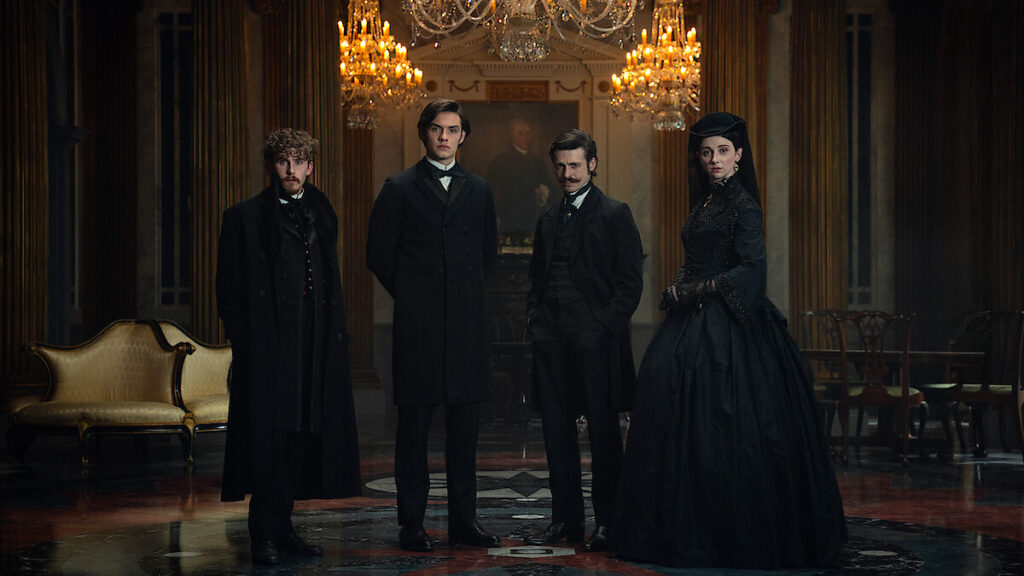
The show opens with the death of Benjamin Guinness, thrusting his four children – Arthur, Edward, Anne, and Ben – into the spotlight. This Protestant family, commanding great fortune in a deeply Catholic nation, must navigate religious tensions, societal expectations, and internal rivalries as they fight against all odds to protect their father’s legacy and dare to expand it beyond Irish borders.
Each sibling represents a different stakeholder archetype:
- Arthur, the political aspirant, embodies public-facing leadership.
- Edward, the business-savvy visionary, channels corporate strategy and brand evolution.
- Anne, the philanthropic force, reflects social responsibility and community engagement.
- Ben, the troubled soul, reminds us of internal vulnerabilities that can impact external perception.
Their interactions with employees, politicians, and the public mirror the delicateness of stakeholder management in any high-profile enterprise.
Rebranding with Purpose: Edward’s PR Genius
Edward Guinness, portrayed by Louis Partridge, emerges as the show’s PR prodigy. His decision to rebrand the brewery by introducing the now-iconic Irish harp logo was a strategic move to quell opposition, likely to hinder business growth, while supporting his brother’s political ambitions.
His approach:
- Narrative control: Edward shapes the Guinness story to resonate with apathetic and hostile stakeholders
- Symbolic branding: The harp becomes a visual anchor for trust and tradition.
- Stakeholder alignment: His decisions balance shareholder interests with public sentiment.
Emotional Intelligence in Leadership
One of the show’s most important themes is emotional intelligence. Anne’s quiet philanthropy and Edward’s obsessive attention to detail all highlight the importance of understanding stakeholder motivations and expectations.
Whether it’s negotiating with union leaders, navigating family betrayals, or responding to public crises, the ability of the Guinness siblings to empathise, anticipate, and adapt is what keeps the brand afloat.
Philanthropy as a PR Strategy: More Than Beer
Anne Guinness’s initiative, supported by her brothers to solve the housing problem, isn’t just an act of kindness; it becomes a strategic investment in social capital. These initiatives build goodwill, reinforce brand values, and create a legacy that transcends profit.
As Arthur Guinness noted, Guinness became known not just for beer but for good.
Modern PR professionals can learn from this:
- Authentic CSR should not just check boxes.
- Community engagement builds resilience against reputational shocks.
- Legacy-building ensures long-term stakeholder loyalty.
Lessons for Today
While House of Guinness takes creative liberties, its core lessons are timeless:
- Founders can control the plot in their brand story
- Brand identity is emotional, so symbols, values, and actions matter.
- Leadership is relational as power flows through trust, not titles.
Overall, House of Guinness reminds us that the best PR involves strategic thinking, emotional intelligence, and a good grasp of stakeholder engagement and management.